

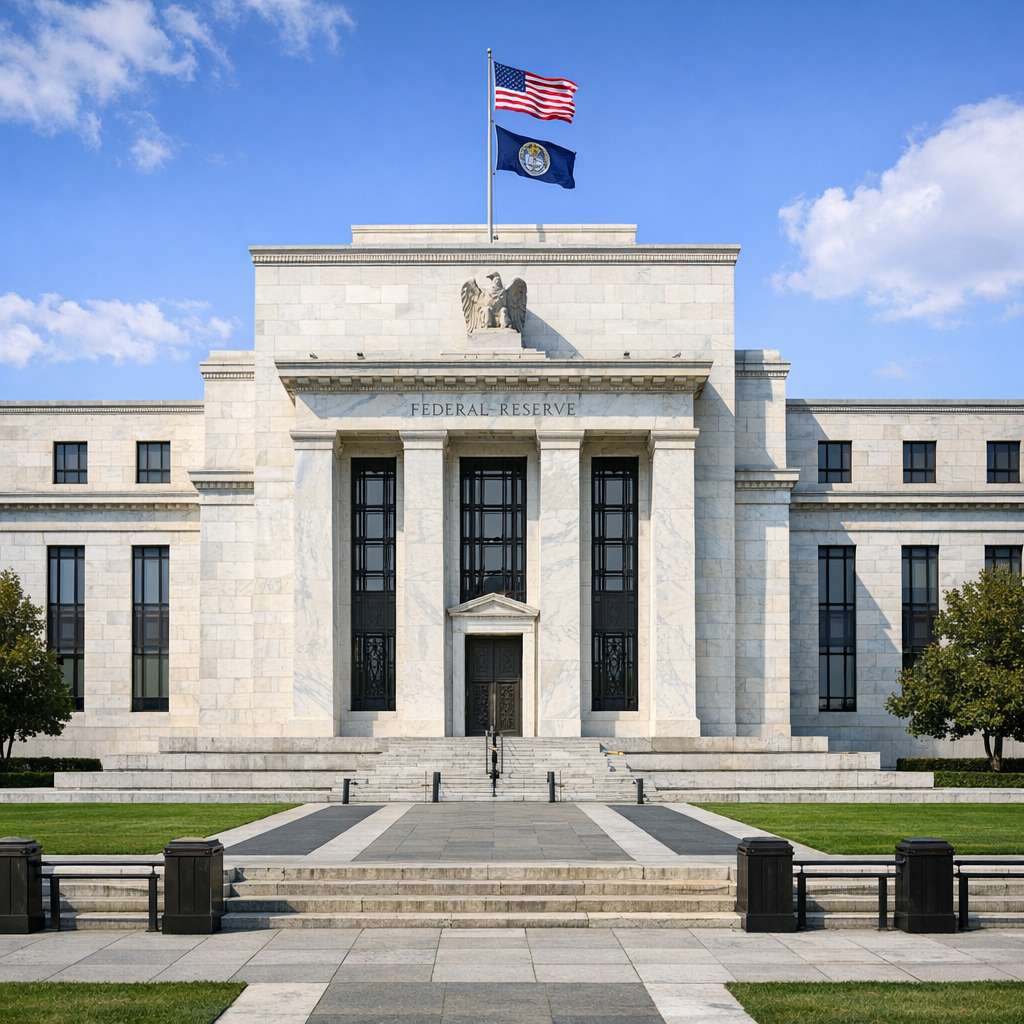
The Federal Reserve, often referred to as the Fed, serves as the central bank of the United States. Established in 1913, its primary objectives include managing inflation, maximizing employment, and stabilizing interest rates.
Key Functions of the Federal Reserve
Monetary Policy Implementation
The Fed influences the economy by adjusting the federal funds rate, which affects borrowing costs for consumers and businesses. Lower rates typically encourage spending and investment, while higher rates aim to curb inflation.
Regulation of Financial Institutions
By overseeing and regulating banks, the Fed ensures the stability and integrity of the nation’s financial system, protecting consumers and maintaining public confidence.
Maintaining Financial Stability
In times of economic distress, the Fed acts as a lender of last resort, providing liquidity to prevent financial crises.
Impact on the Economy
Decisions made by the Federal Reserve have far-reaching effects. For instance, adjusting interest rates can influence employment levels, consumer spending, and overall economic growth. Understanding the Fed’s role helps individuals and businesses make informed financial decisions.