

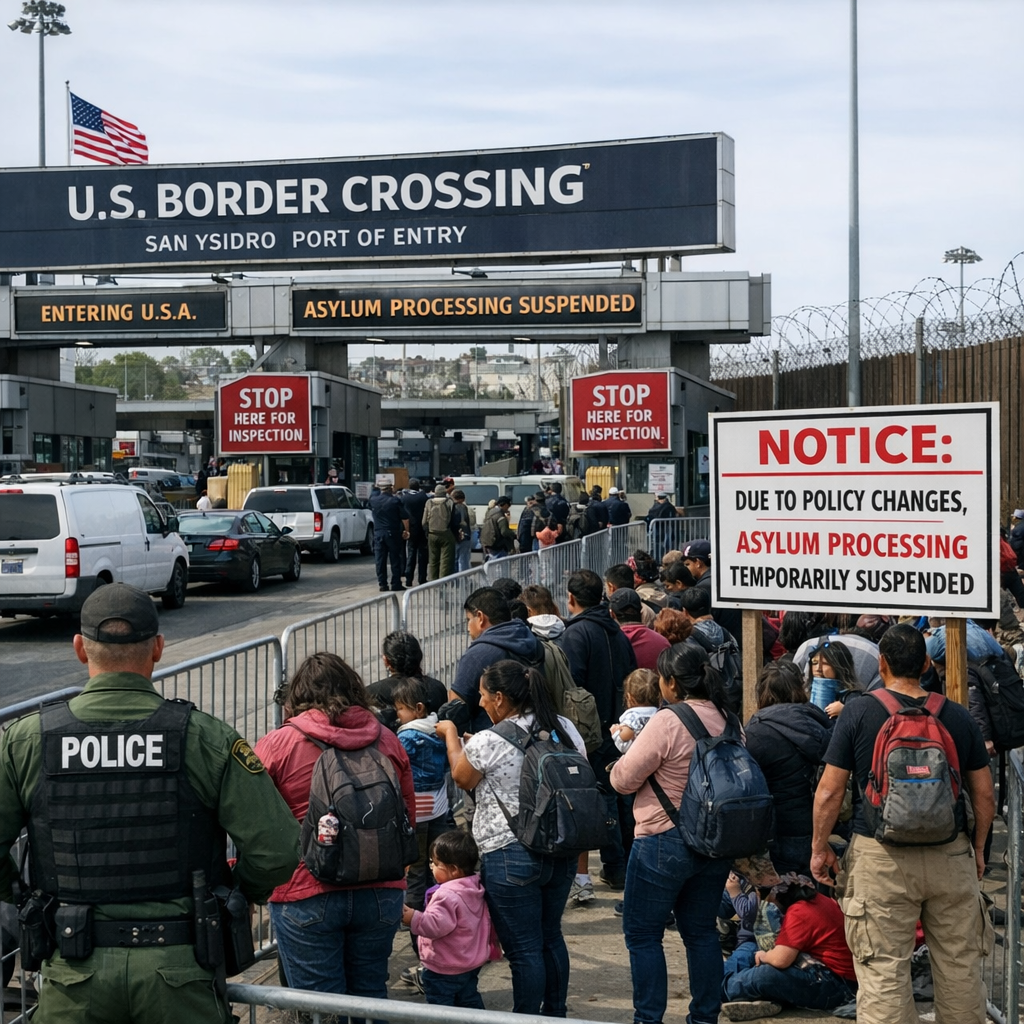
Recent shifts in U.S. immigration policy have introduced significant changes affecting both immigrants and border communities such as Brownsville, Texas. These developments encompass expanded travel bans, revised visa procedures, and intensified enforcement measures.
Expansion of Travel Bans
Effective January 1, 2026, the U.S. government expanded its travel ban to include 39 countries, primarily from Africa, the Middle East, Asia, and parts of Latin America. This expansion restricts or suspends visa issuance for nationals of these countries, impacting individuals seeking entry into the United States.
Changes to Visa Programs
The H-1B visa program has undergone a significant overhaul. The traditional random lottery system has been replaced with a weighted selection process favoring higher-paid and more skilled applicants. This change aims to prioritize positions with higher wages, potentially affecting the hiring practices of local businesses in need of specialized talent.
Enhanced Enforcement and Vetting Procedures
U.S. Citizenship and Immigration Services (USCIS) has implemented enhanced screening and vetting measures. Starting April 27, 2026, all pending immigration benefit applications are subject to re-submission of fingerprints for comprehensive FBI background checks. This policy affects approximately 11.6 million cases, potentially leading to processing delays for green cards, naturalization, asylum, and work permits.
Local Impact on Brownsville
For Brownsville, a city with a rich cultural tapestry and a significant immigrant population, these policy changes have tangible effects. The expansion of travel bans may disrupt family reunifications and affect local businesses reliant on international partnerships. Changes to visa programs could influence the availability of skilled workers, impacting sectors such as healthcare and technology. Enhanced enforcement measures may also contribute to a climate of uncertainty within the community.
Community leaders and organizations in Brownsville are actively working to support affected individuals by providing legal assistance, disseminating information about policy changes, and fostering dialogue between residents and policymakers. Staying informed and engaged is crucial for navigating these evolving immigration policies and mitigating their impact on our community.