
By Olivia Gonzalez
In Brownsville, tech isn’t just something happening in labs or big cities—it’s becoming part of everyday routines in visible ways. Whether it’s improving our internet, supporting local startups, or introducing gadgets that make things a bit easier at home, technology is helping reshape how we live here.
Better Internet Means Bigger Opportunities
One foundational change: broadband access in Brownsville has expanded significantly. Dozens of internet providers now serve the city, offering options like fiber, cable, satellite, 5G home internet, and fixed wireless. Fiber internet speeds up to 10 Gbps are now available in many neighborhoods—a huge leap for jobs, streaming, and schoolwork alike. Providers such as Omni Fiber and Smartcom offer symmetrical uploads and downloads, proving that net connectivity here isn’t just about getting faster downloads but reliable, high-speed service both ways.
Availability is diverse—some streets are covered by several fiber providers, while others still rely on satellite or wireless. That gap matters for people working from home, students, and small businesses.
To help bridge it, Brownsville has pushed forward with a citywide fiber buildout known as BTX Fiber. The goal: deliver affordable high-speed service to residents, businesses, and key institutions like fire stations and parks. Packages start around $30/month, depending on speed. As projects wrap up over time, more neighborhoods will likely see stronger, more consistent choices.
These infrastructure improvements aren’t glamorous—they’re essential. More bandwidth makes remote work possible, supports telehealth, improves online learning, and allows smart gadgets to work well without frustrating lags.
Growing Startup Ecosystem at Our Doorstep
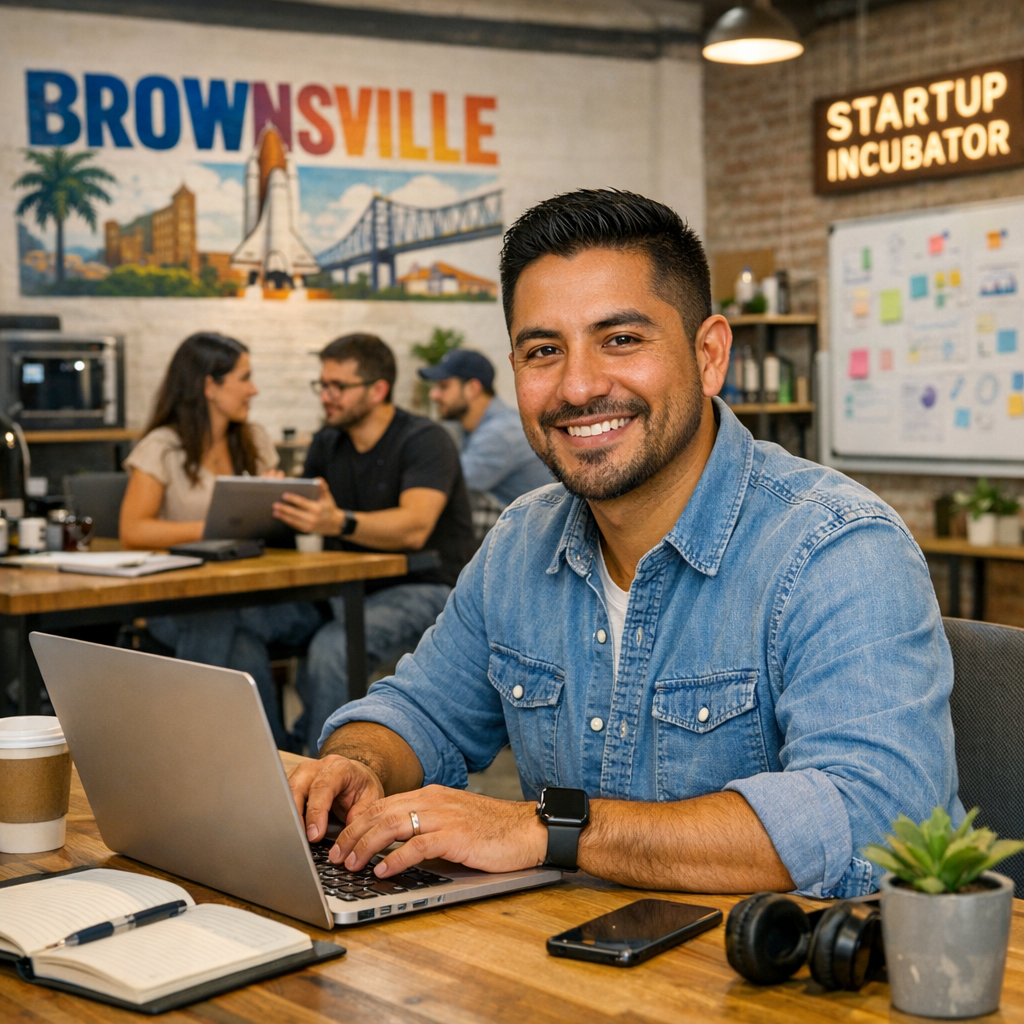
Brownsville’s startup scene is gaining traction. eBridge Center, for instance, has emerged as a hub for local entrepreneurs—offering mentorship, shared workspace, prototyping tools (like 3D printers), and network connections to funders.
There are local accelerator programs too. StartUp Texas is an example, helping early-stage businesses in the Rio Grande Valley access resources, pitch for funding, and make cross-border connections. Recent cohorts have included folks working on AI-tool-based resale apps, logistics platforms, and innovations tied to regional trade.
These programs aren’t just about tech; they’re about lifting up people who want to build something here—launching products, hiring locals, contributing to economic growth. For many entrepreneurs in Brownsville, access to shared tools and coaching makes all the difference between a good idea fading and a viable business taking root.
Everyday Tech You Can Touch
High-tech might sound distant, but it’s now part of everyday life for many Brownsville households. Smartphones remain a staple—often the most affordable and flexible way to stay connected to work, education, health care, and social ties. When home broadband is slow or pricey, mobile devices fill gaps, especially for streaming, video calls, and school assignments.
Smart home devices, like Wi-Fi-enabled security cameras or thermostat controls, are slowly making inroads. They offer convenience and safety—but their value depends heavily on having reliable internet.
Wearables, tablets, and laptops also matter: for a student without easy access to computer labs, a well-performing laptop means the difference between keeping up with school and falling behind. When tech gets old or slows down, it becomes a chore, not a tool.
Challenges Still on the Radar
Even with improvements, gaps remain. Some areas lack competitive options—may have only one provider capable of delivering high speeds. Cost is still a hurdle for many families; even when fiber is available, monthly prices, installation fees, or data caps can create barriers.
Digital literacy—knowing how to use devices, keep them secure online, or leverage AI tools for things like budgeting or work—is another ongoing need. Schools, libraries, community centers, and startup hubs are important channels for building those skills.
Finally, as startups grow, equitable access to funding—even small grants—matters. When local founders can pitch, connect with mentors, and test ideas without moving to major metros, Brownsville benefits together.
What You Can Do Now
- Check what internet plans are available at your address—fiber might be closer (and cheaper) than you think.
- Join local tech events or meetups at places like eBridge Center to stay up on new tools and funding opportunities.
- When shopping for gadgets, buy based on need, not hype: a reliable phone or laptop that’s a few years old may serve better than a new model with unnecessary features.
- Take advantage of digital skills workshops—public libraries, nonprofits, or city programs often offer them for free.
Technology isn’t just changing Brownsville’s skyline—it’s changing our daily routines. When we build infrastructure, support local innovators, and make smart choices at home, tech can lift up entire neighborhoods.
Olivia Gonzalez reports on how technology intersects with lives in Brownsville—this beat covers startups, gadgets, AI, and what’s coming next in our daily lives.